The Importance of Regular Panel Cleaning
Scientific and systematic maintenance is fundamental to maximizing the return on photovoltaic investment. According to IRENA data, proper maintenance can boost system efficiency by approximately 5 percent and extend module lifespan beyond 25 years. When panel surface dust accumulation exceeds 10 percent, power generation can drop by approximately 8 to 12 percent, making regular cleaning essential for maintaining optimal output.
Recommended Cleaning Tools and Materials
Use soft-bristle brushes or dedicated soft cloths for panel surface cleaning. Apply clean water or neutral cleaning agents only. Never use abrasive tools, high-pressure water jets, strong acids, or alkaline liquids as these can damage the protective glass surface and anti-reflective coatings. Using hard or abrasive tools risks scratching the glass, which permanently reduces light transmission and power generation.
Optimal Cleaning Timing
Clean panels on overcast days or during early morning and late evening hours. Avoid cleaning during high-temperature periods, especially midday when panels are hot from direct sunlight, to prevent thermal stress damage. The temperature difference between cold cleaning water and hot panel surfaces can cause micro-cracking in the glass or delamination of internal layers.
Cleaning Frequency Guidelines
As a general recommendation, clean panels every quarter or half-year, approximately every 3 to 6 months. The primary cleaning seasons are spring and autumn when moderate temperatures provide ideal working conditions. In dust-prone or sandy areas, increase cleaning frequency based on observed dust accumulation rates. Similarly, areas with heavy leaf fall or bird activity require more frequent cleaning. Commercial solar farms should establish monitoring-based schedules using visual inspection or automated soiling sensors.
Step-by-Step Cleaning Procedure
First, conduct a visual inspection of all panels for cracks, loose connections, or damaged frames before cleaning. Disconnect or shut down the system following manufacturer safety procedures to eliminate electrical hazards. Begin cleaning from the top of the panel and work downward using gentle, overlapping strokes to prevent streaking. Rinse thoroughly with clean water to remove all cleaning agent residue. Allow panels to dry naturally before reconnecting the system. Document the cleaning date and any observations for maintenance records.
Cleaning Safety Precautions
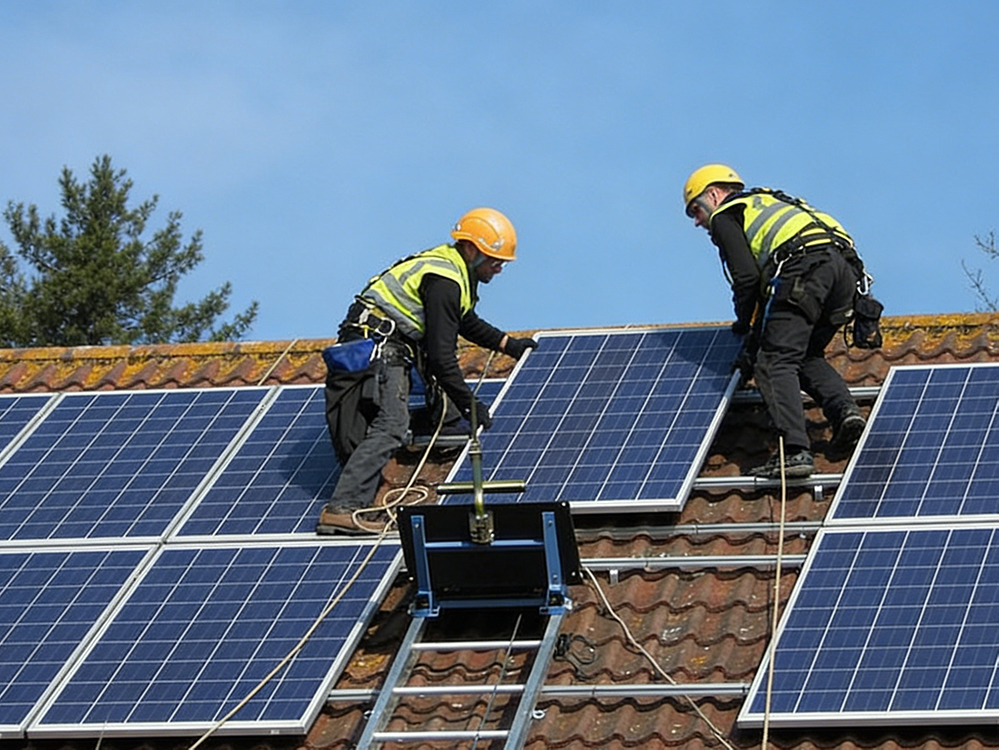
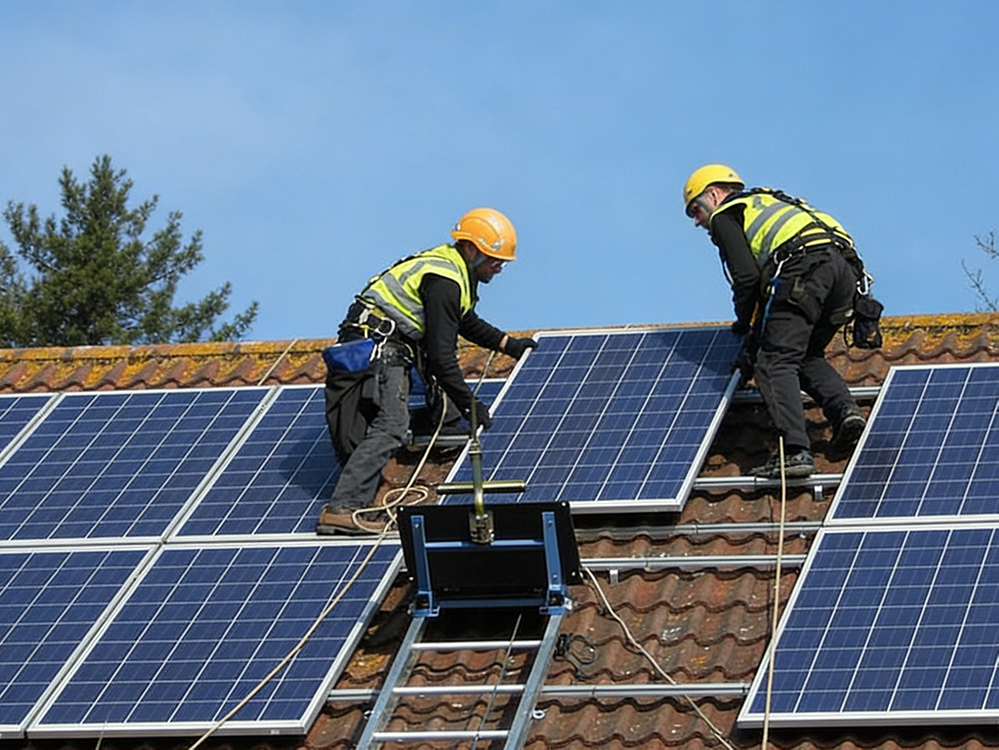
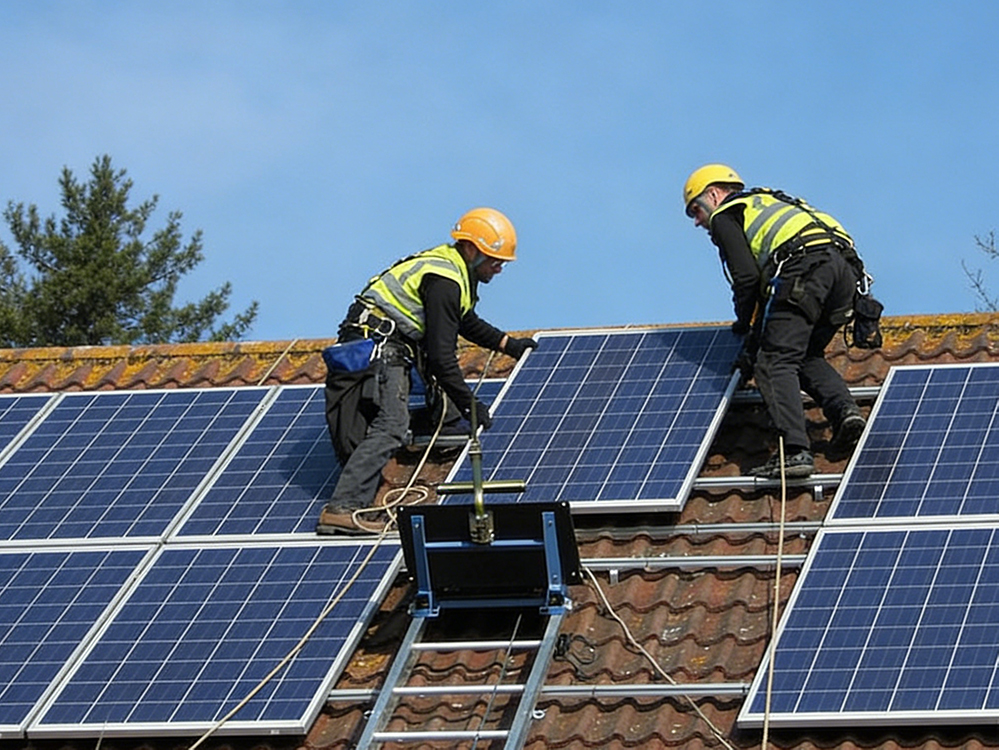
Always wear appropriate personal protective equipment including non-slip footwear, safety harness when working at height, and electrically insulated gloves. Never walk or place weight on panel surfaces as this causes micro-cracking invisible to the naked eye but devastating to long-term performance. Be aware of electrical hazards, especially around damaged cables or connectors. Work in teams of at least two people for rooftop installations.