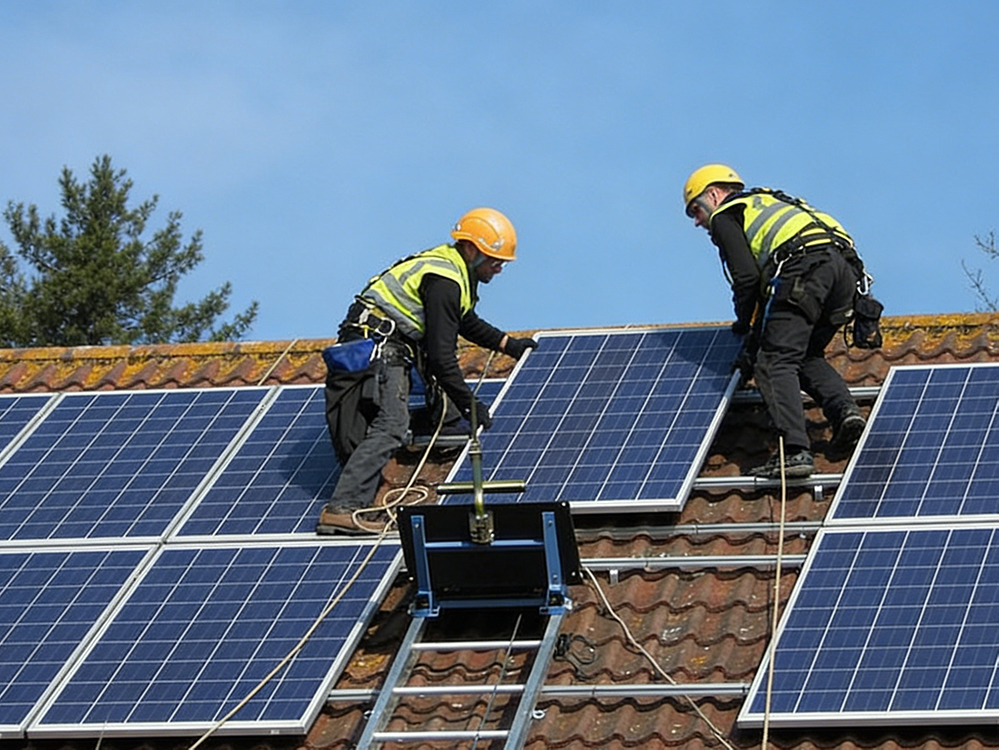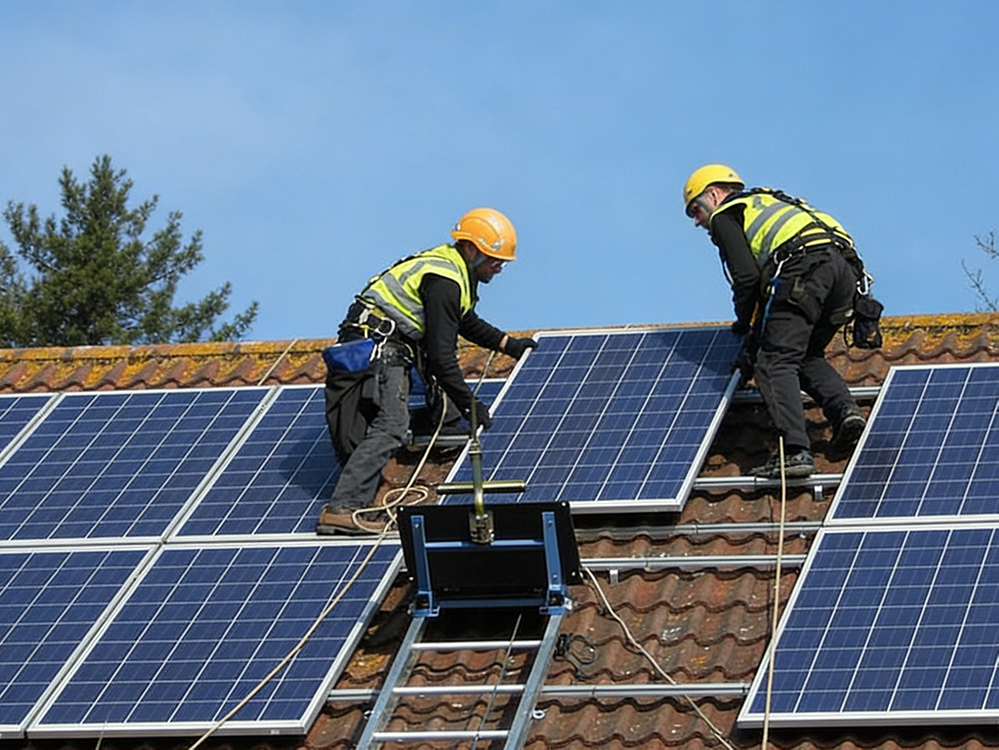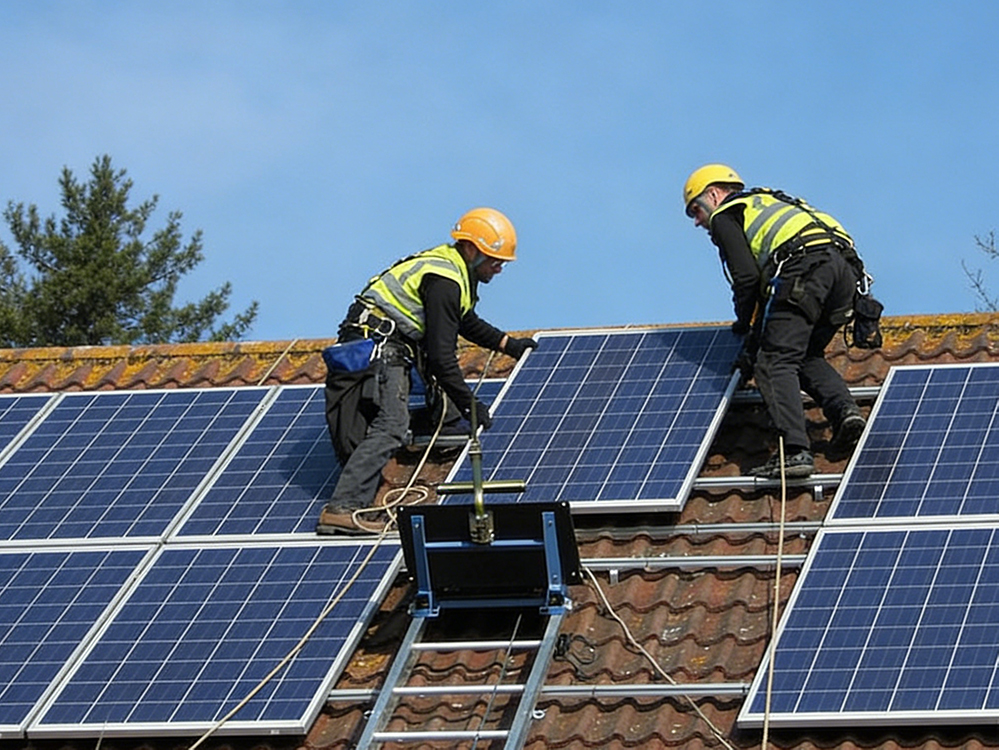
Six-Month Comprehensive Inspection Protocol
Every six months, a professional technical team should conduct a detailed system inspection covering all critical components. Check all electrical connections for looseness or corrosion, as poor connections generate heat and reduce system efficiency. Verify the inverter operating status including input voltage, output power, and any error codes in the event log. Inspect mounting bracket stability to ensure no loosening, shifting, or corrosion that could compromise structural integrity under wind loads. Confirm the grounding system remains intact with continuity to all metal components. Examine all cable insulation for wear, UV degradation, or rodent damage. Inspect module glass integrity for any cracks, fractures, or delamination.
Infrared Thermal Imaging Diagnostics
Infrared thermal imaging is an advanced diagnostic technique that quickly detects localized heating anomalies throughout the PV array. Hot spots appear as bright areas in thermal images and indicate damaged cells, poor solder joints, bypass diode failures, or localized shading issues. This non-contact inspection method can scan large arrays efficiently from ground level or using drone-mounted cameras. Early detection of hot spots prevents progressive cell damage that leads to permanent power loss and potential fire hazards.
Bracket and Structural Inspection
Monitor mounting brackets and installation structures regularly for stability. Check all bolts and fasteners for proper torque and signs of corrosion. Inspect for wind-induced displacement or loosening that can misalign panels and stress electrical connections. Pay special attention to roof penetrations and waterproof seals on rooftop installations. Ground-mounted systems require foundation integrity checks and vegetation management to prevent shading and animal damage.
Cable and Connector Health
Inspect all DC and AC cables for insulation integrity. Look for cracks, brittleness, or discoloration indicating UV degradation. Check MC4 connectors for proper engagement and signs of moisture ingress. Use a thermal camera to identify hot connectors that indicate high-resistance contacts requiring replacement. Ensure all cables are properly secured with UV-resistant cable ties and protected from mechanical damage.
Smart Monitoring Technologies
Modern PV systems benefit from intelligent monitoring solutions. Monitoring sensors enable real-time tracking of voltage, current, and temperature at module, string, and inverter levels. Remote fault warning systems allow operators to detect issues without on-site visits, significantly reducing response time to failures. AI image-based inspection using drone photography can detect dust accumulation, shading patterns, and module defects across utility-scale installations.
Maintenance Efficiency Gains
According to the China Photovoltaic Industry Association, smart maintenance systems can improve maintenance efficiency by over 20 percent and significantly reduce operations and maintenance costs. Timely repairs guided by monitoring data can reduce system downtime by approximately 15 percent, directly improving annual energy yield. The integration of big data analytics and IoT connectivity is driving the industry toward more precise, efficient, and automated maintenance approaches.
Record Keeping and Continuous Improvement
Maintain detailed records of all inspections, cleaning activities, repairs, and performance data. Documenting maintenance history enables trend analysis that identifies recurring issues and optimization opportunities. Use performance ratio tracking to quantify the effectiveness of maintenance programs over time. Regularly review maintenance strategies based on collected data and emerging best practices in the solar industry.