1. Arc Welding General Regulations
- Before starting work, conduct a safety inspection of welding equipment. Electrical installations must comply with standards, protective enclosures must be complete and secure, and protective covers at primary and secondary terminals must be firmly installed.
- Welding machines used on-site must have rain-proof, moisture-proof, and sun-proof sheds.
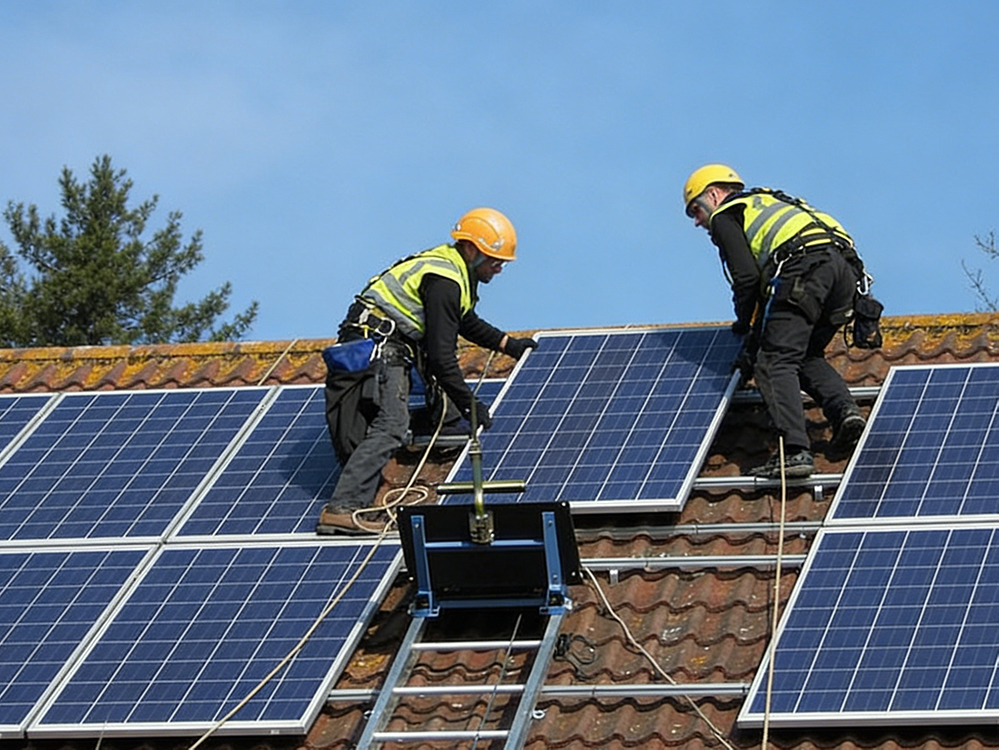
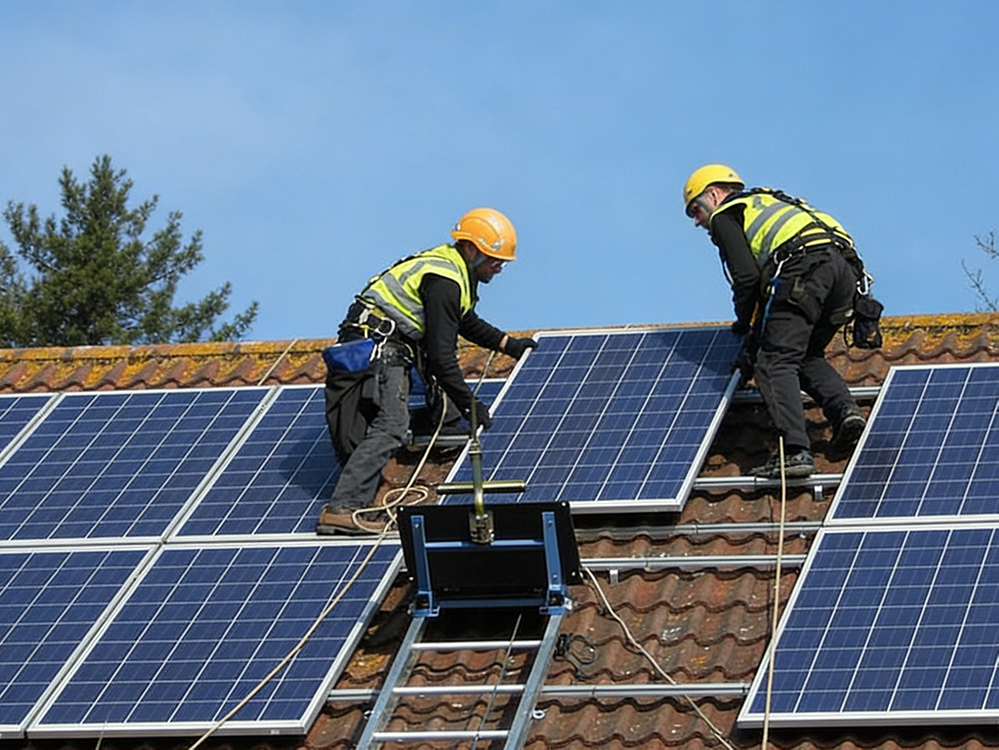
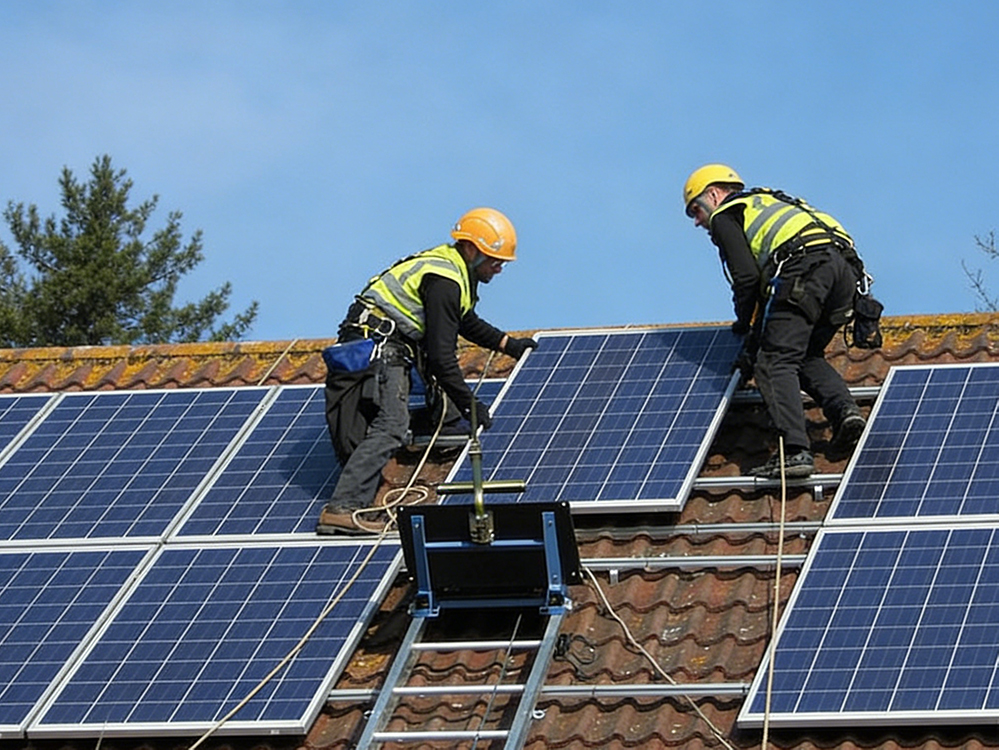
- For high-altitude welding, wear safety belts and take fire prevention measures with a dedicated supervisor.
- Welding cables crossing roads must be elevated or inserted into protective pipes.
- Ground wires and handle wires must not contact flammable, explosive, or heat-source items. Ground resistance must not exceed 4Ω.
- Do not weld outdoors in rain. Wear insulating shoes in damp areas.
- Long-disused welding machines must have insulation resistance not lower than 0.5MΩ when reused.
- During loaded operation, frequently check temperature rise. Stop if exceeding Class A 60°C or Class B 80°C.
- Within 10m of the welding site, do not stack oxygen cylinders, acetylene generators, or flammable materials.
- After work, clean the site, cut power, and lock the electrical control box.
2. AC Welding Machine Operation
- Do not connect primary and secondary wires incorrectly. Input voltage must match the nameplate.
- Secondary tap copper plates must be pressed tightly; terminals should have washers.
- When moving the machine, cut power. Do not drag cables.
3. Welding Torch Daily Maintenance
Regular torch maintenance includes:
- Inspecting contact tips for wear and replacing when bore diameter increases
- Checking spring liners for debris and kinks
- Ensuring insulation rings are properly installed
- Cleaning nozzles of spatter buildup
- Verifying shielding gas flow is uniform and adequate